

Toughened Glass Work in Coimbatore
Safety glass, sized and processed for your opening, fitted with the right hardware.
Toughened glass, also called tempered glass, is safety glass that has been heated and rapidly cooled so it is roughly four to five times stronger than ordinary annealed glass of the same thickness and breaks into small, blunt pieces. Cladex Elevations supplies and installs toughened glass doors, shopfronts, partitions and facades in Tamil Nadu and Kerala.
Toughened glass, also called tempered glass, is ordinary float glass that has been heated above 600 degrees Celsius and then cooled rapidly with air jets. This locks the surfaces into compression and the core into tension, which makes the glass roughly four to five times stronger than annealed glass of the same thickness. If it does break, it shatters into small, relatively blunt pieces instead of long sharp shards, which is why it is classed as safety glass.
One rule shapes every toughened glass job: the glass cannot be cut, drilled or edged after toughening. Every hole for a hinge or handle, every notch for a lock and every edge polish has to be done before it goes into the furnace. That makes accurate site measurement and hardware planning the most important part of the work, and it is where an engineer-led team like ours, with more than 10 years in glass and facade work, makes the difference.
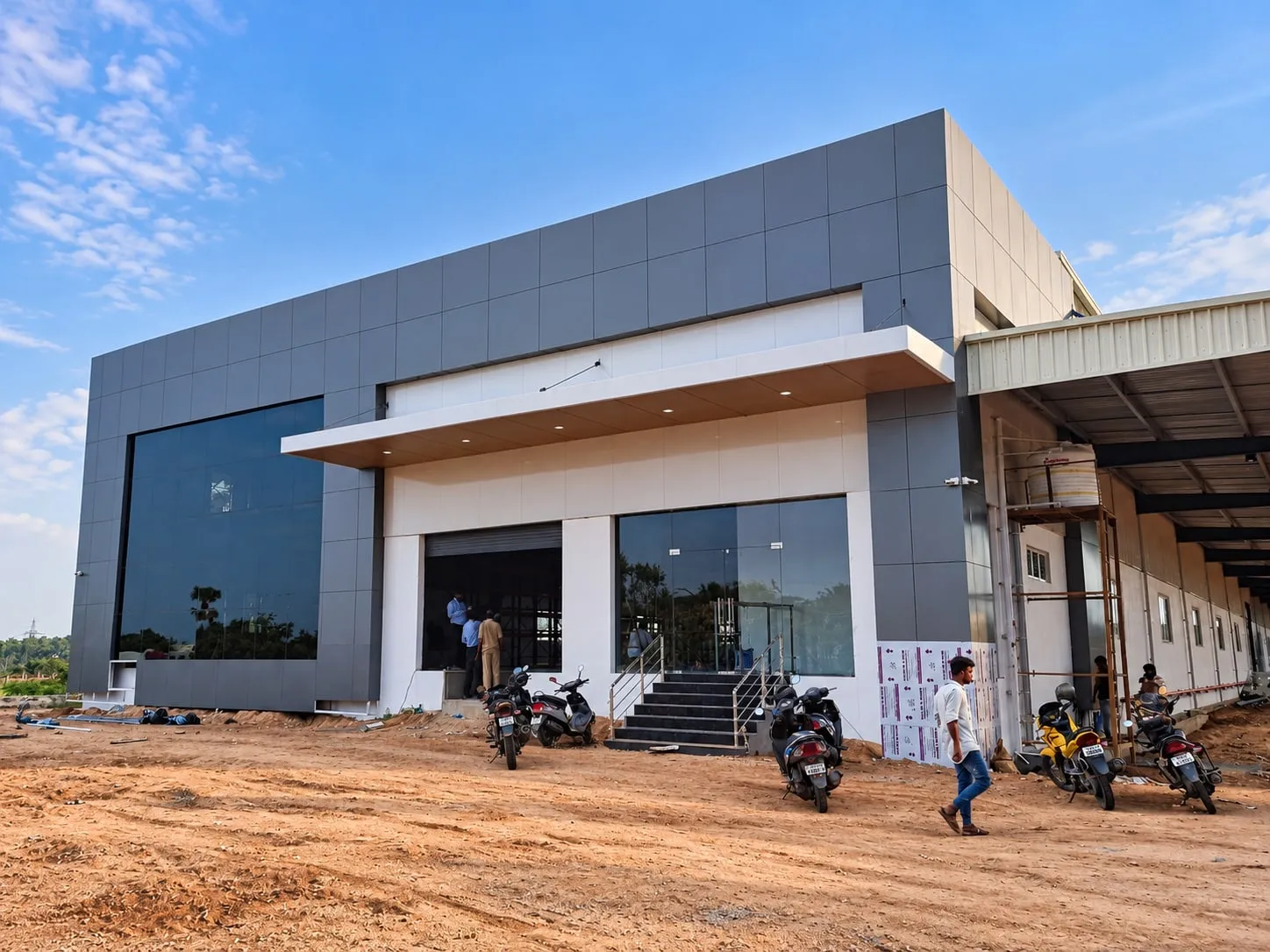
At Cladex Elevations we use toughened glass across our work, from frameless shopfronts like the Chandra Hyundai showroom on Avinashi Road, Coimbatore, to office partitions, entrance doors and glazed facades. We measure the opening, plan the hardware, and specify the right thickness and type for the job. Below we explain the main types of toughened glass, how it compares with laminated glass, and what decides the price, so you can choose with confidence.
Why choose toughened glass
Much stronger than plain glass
Toughening makes glass roughly four to five times stronger than annealed glass of the same thickness, against impact and wind pressure.
Safer when it breaks
It breaks into small, blunt fragments rather than dangerous shards, reducing the risk of serious injury.
Handles heat better
Toughened glass resists temperature differences far better than annealed glass, useful on sun-facing fronts in Coimbatore's summer.
Allows frameless designs
Its strength lets doors, partitions and shopfronts be built with minimal or no frames, using patch fittings and spiders.
Many finishes
Clear, extra-clear, tinted, frosted, reflective and printed glass can all be toughened for different looks and privacy levels.
Can be laminated
Toughened panes can be laminated together for overhead glass and railings, so fragments stay in place if a pane breaks.
Options & technical details
Typical choices we discuss with clients. The final specification is fixed after a site visit.
| Common thicknesses | 5, 6, 8, 10, 12, 15 and 19 mm |
|---|---|
| Typical uses by thickness | 8-10 mm for shower and office partitions; 10-12 mm for frameless doors and shopfronts; thicker for large or special panels |
| Glass types | Clear, extra-clear (low-iron), tinted, reflective, frosted/acid-etched, ceramic frit |
| Processing | All cutting, holes, notches and edge polishing done before toughening |
| Edge finish | Flat polished, bevelled or arrissed edges |
| Indian standard | IS 2553 (Part 1) for safety glass |
| Optional treatments | Heat-soak testing; lamination with PVB or similar interlayers; DGU assembly |
Toughened Glass, explained in drawings
How we measure, order and install toughened glass
Because toughened glass cannot be altered after it leaves the furnace, we measure every opening on site rather than working from drawings alone. We check the floor and ceiling levels, the walls for plumb and the positions of door closers, floor springs, hinges and locks. These are converted into a glass drawing with every dimension, hole and notch marked, and the hardware is confirmed before the order is placed.
On delivery, each pane is checked for size, edge quality and hole positions before installation. Glass is set on setting blocks or in channels so it never bears on bare metal or concrete, and fittings use the correct gaskets and bushes. The final step is adjusting doors, sealing where needed and handing over with simple care instructions.
Toughened glass vs laminated glass
Toughened glass is about strength and safe breakage: it resists impact and heat, and if it breaks it crumbles into small pieces, which then fall out of the frame. Laminated glass is about retention: two or more panes are bonded with a plastic interlayer, so when the glass cracks the fragments stay stuck to the interlayer and the pane stays in place.
For doors, partitions and most vertical glazing at ground level, toughened glass alone is usually the right choice. For overhead glass, canopies, skylights and frameless railings where a falling pane would be dangerous, toughened laminated glass gives both strength and retention. Laminated glass also cuts more noise and blocks most UV, which is useful for road-facing offices and display windows.
What affects the price of toughened glass
Thickness has the biggest effect, followed by glass type: extra-clear, tinted, reflective or frosted glass costs more than standard clear. Panel size matters because very large panes need bigger furnaces and careful handling, and every hole, notch and polished edge adds processing. Heat-soak testing and lamination are further optional costs.
For a finished installation, the hardware, whether patch fittings, floor springs, hinges, handles, spiders or channels, often costs as much as the glass, and grades of stainless steel vary. Site location, floor level and access complete the picture. Message us on WhatsApp with your opening sizes and photos and we will measure and send a free quote.
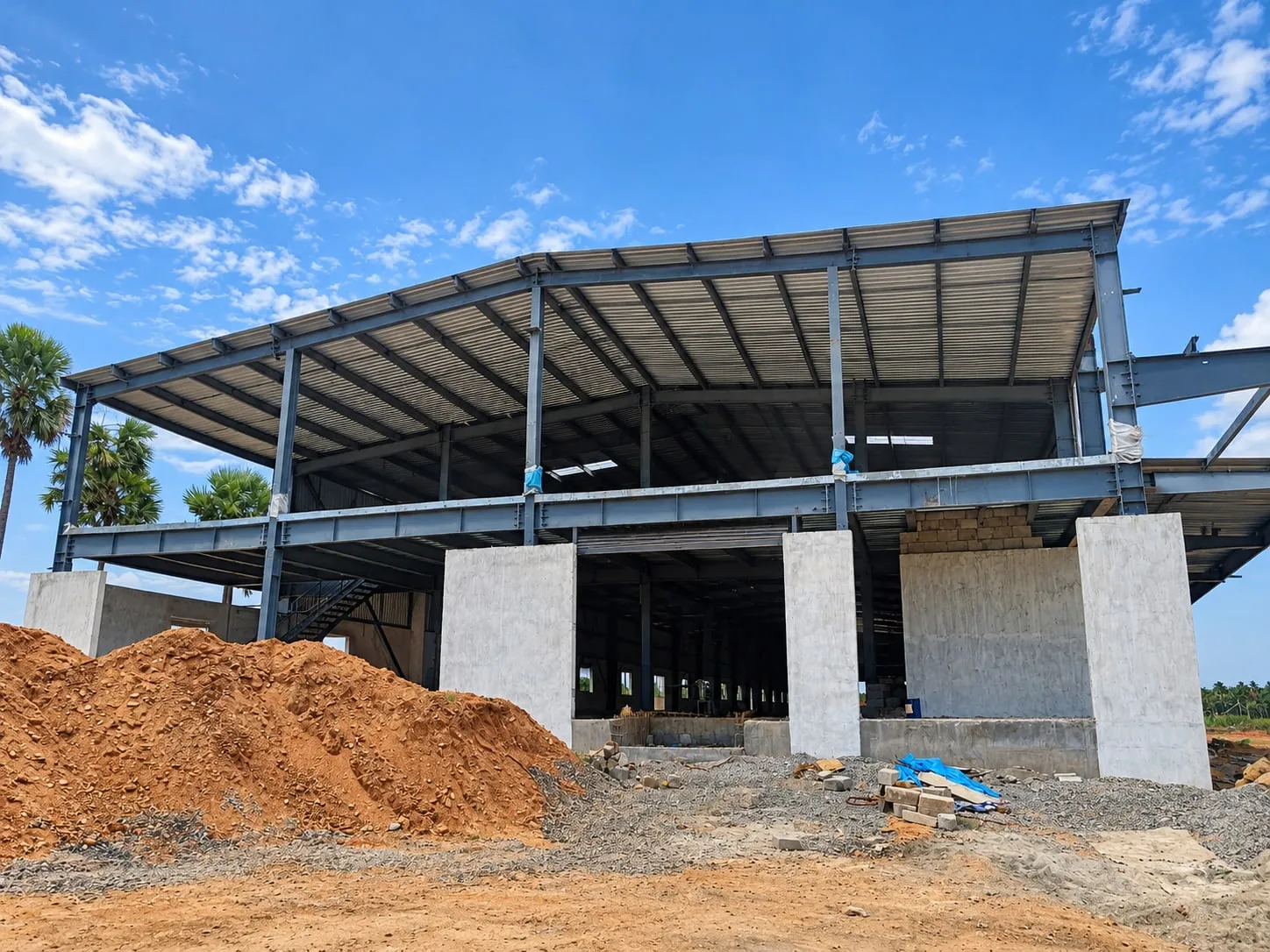
Toughened Glass projects by Cladex
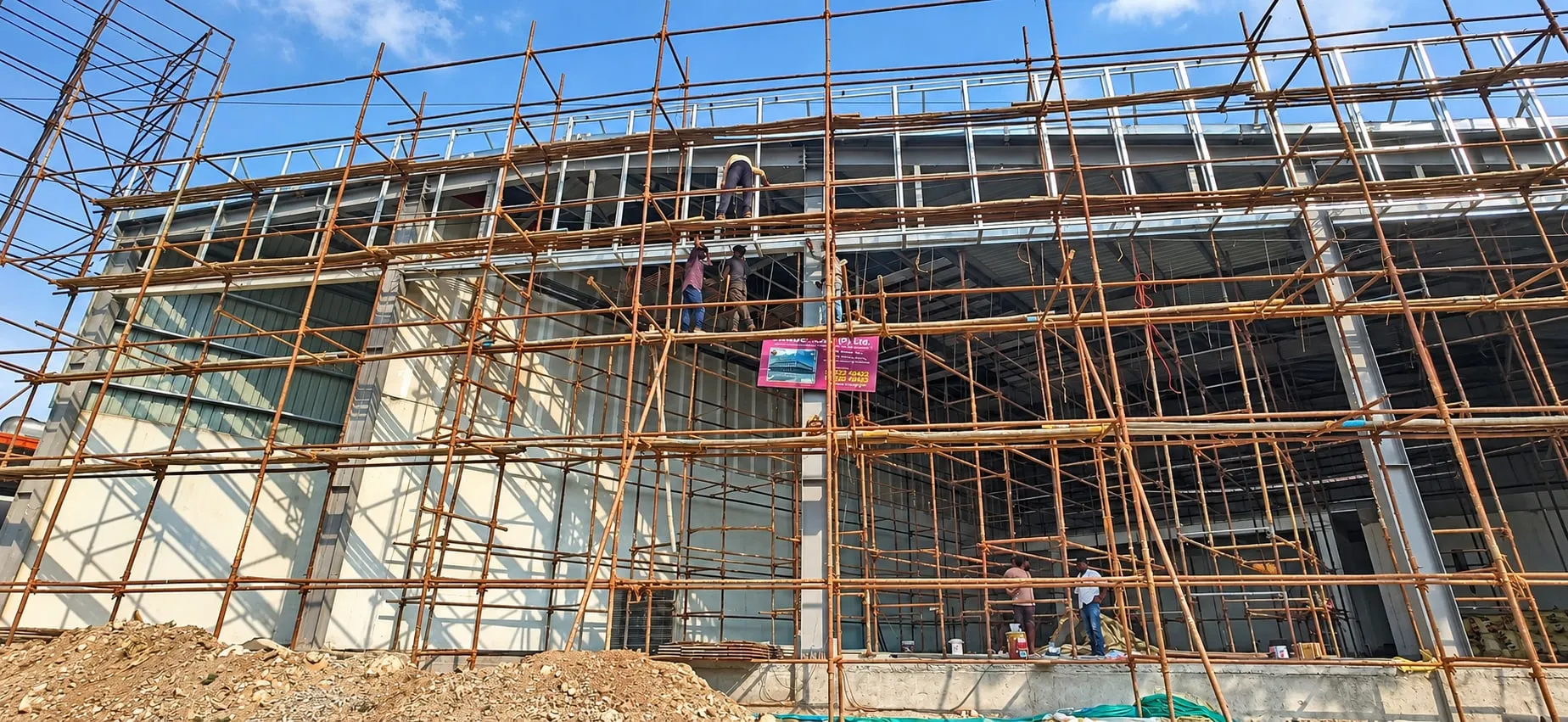

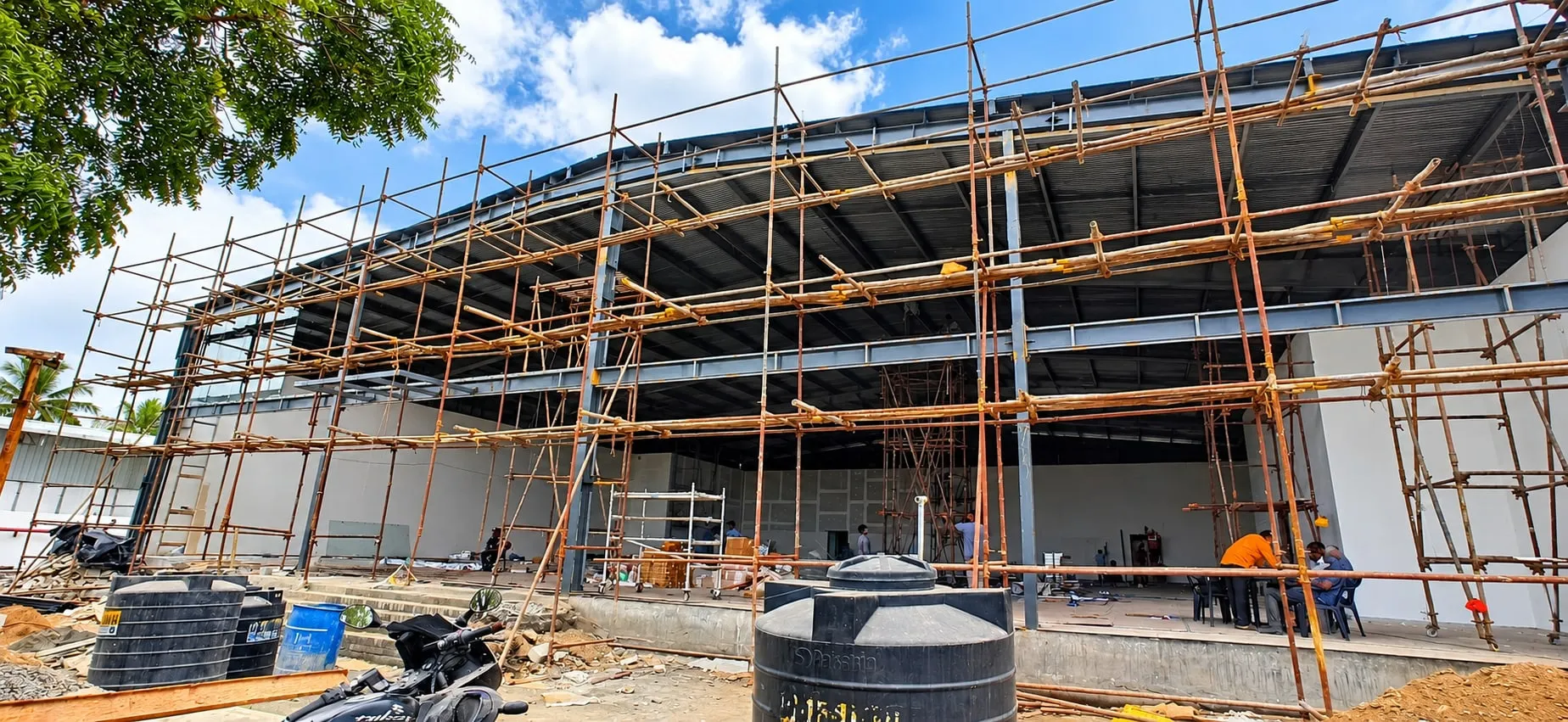
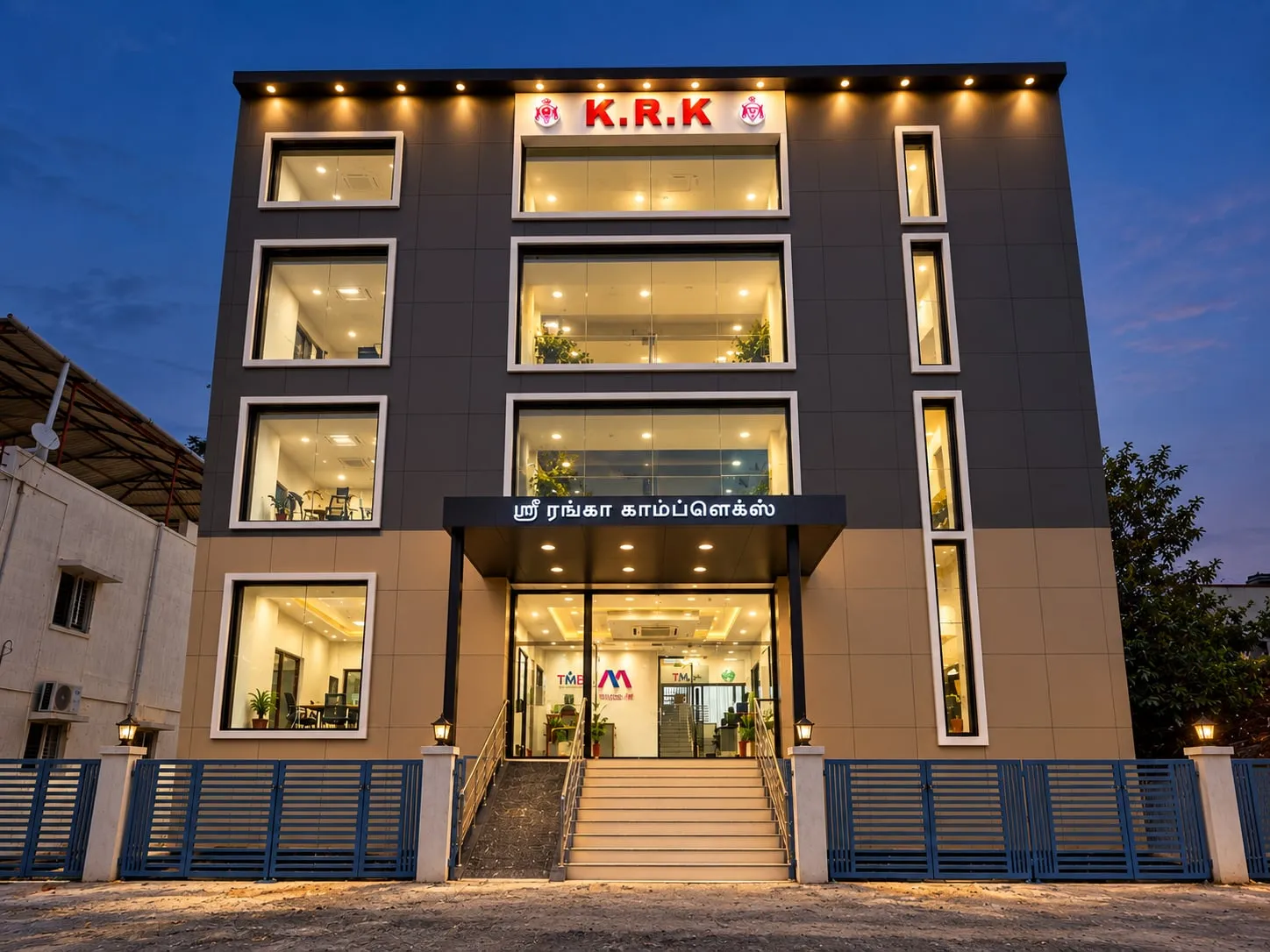
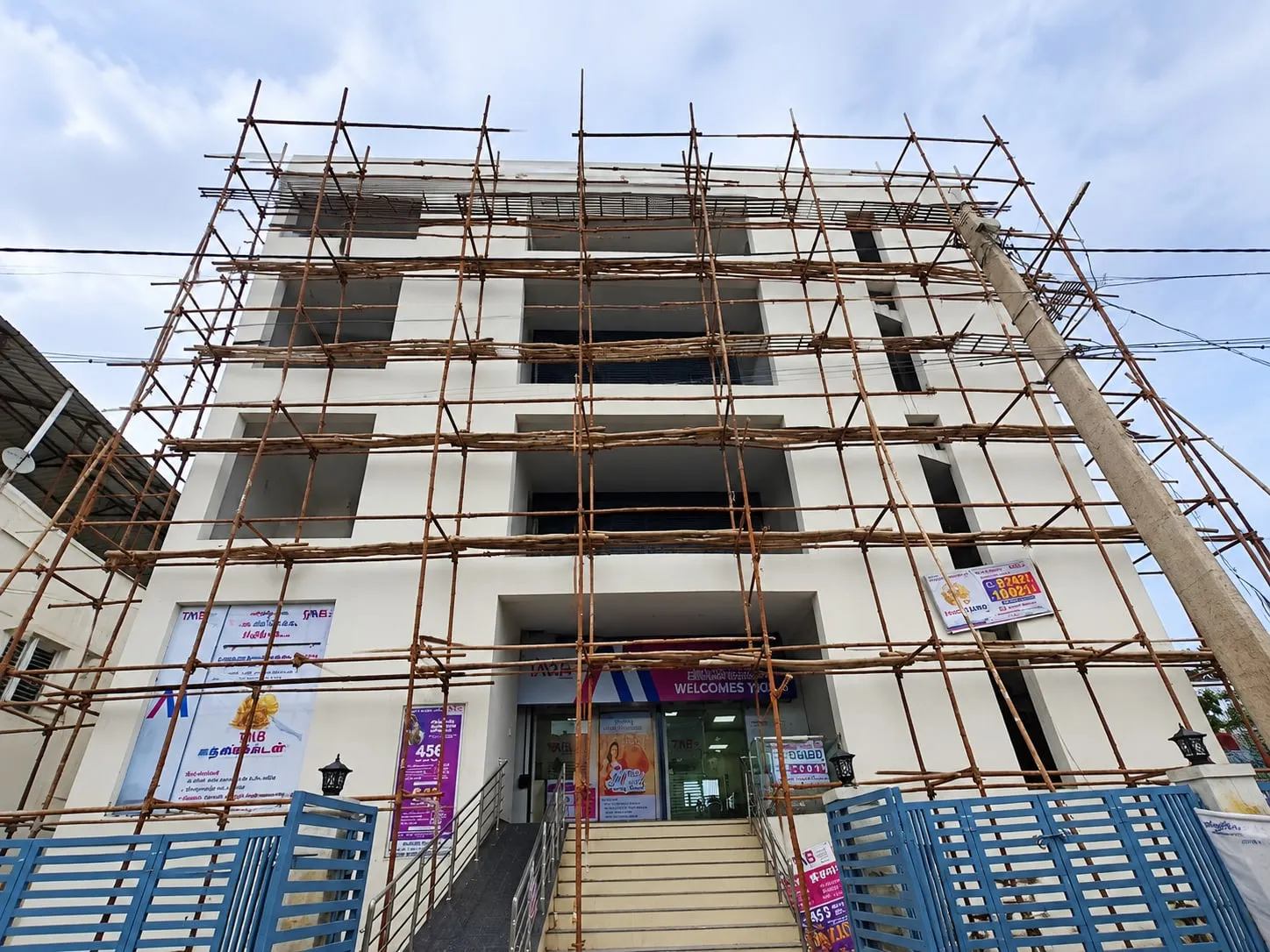
Toughened Glass: questions answered
What is toughened glass?
Toughened glass, also called tempered glass, is float glass that has been heated above 600 degrees Celsius and rapidly cooled with air. This creates compression in the surfaces, making it roughly four to five times stronger than ordinary annealed glass of the same thickness. When it breaks, it shatters into small, relatively blunt pieces, which is why it is used as safety glass.
What is the price of 12mm toughened glass per sq ft in Coimbatore?
The price of 12 mm toughened glass depends on the glass type (clear, extra-clear, tinted or frosted), panel size, the number of holes and notches, edge finishing, heat-soak testing and brand. An installed job also includes hardware such as patch fittings or floor springs, and access. Cladex measures your opening and shares a free quote on WhatsApp rather than quoting a generic rate.
Can toughened glass be cut or drilled after toughening?
No. Toughened glass cannot be cut, drilled, notched or edge-ground after toughening; trying to do so will shatter the whole pane. All sizes, holes for hinges and handles, lock notches and edge polishing must be completed before the glass goes into the toughening furnace. This is why precise site measurement and hardware planning are essential before ordering.
What thickness of toughened glass is used for doors?
Frameless toughened glass doors with patch fittings and floor springs are most commonly made in 10 mm or 12 mm glass. 12 mm is preferred for larger, heavier-use doors such as shop and office entrances, while 8 mm or 10 mm is common for shower doors and lighter internal doors. The hardware must be rated for the glass weight and thickness.
How can I tell if glass is toughened?
Toughened safety glass is usually marked with a small permanent stamp in one corner showing the manufacturer and standard. Viewed through polarised sunglasses, toughened glass may also show faint dark patterns, a side-effect of the toughening process. If there is no stamp and you are unsure, ask the supplier for the test certificate or invoice describing the glass.
Why does toughened glass sometimes break on its own?
Rare spontaneous breakage in toughened glass is often caused by tiny nickel sulphide inclusions in the glass that can expand over time, or by edge damage from handling or installation. Heat-soak testing, where toughened panes are held at high temperature to break out affected pieces before installation, reduces this risk. Careful handling and correct setting blocks also help.
What are the types of tempered glass?
Toughened (tempered) glass is available in clear, extra-clear (low-iron), tinted, reflective and frosted or acid-etched versions, and with ceramic frit prints. It can also be heat-soaked to reduce spontaneous breakage, laminated with an interlayer for overhead and railing use, or combined into double-glazed units for better heat and sound insulation. Heat-strengthened glass is a related but weaker type.
Used in
Related guides
- Aluminium Partition vs Gypsum Partition: An Honest Comparison
- Front Elevation Design Ideas That Look Good and Survive Our Climate
- How to Choose a Facade Contractor for ACP and Glazing Work
- Shop Front Elevation Ideas: ACP Fascia, Glass Fronts and Signage That Work
- Structural Glazing vs Curtain Wall: What Is the Difference and Which Do You Need?
- Toughened Glass Price: Cost Drivers, Quote Comparison and Red Flags
- Toughened vs Laminated Glass: Differences, Uses and When You Need Both
- What Is Spider Glazing? A Plain-Language Guide to Point-Fixed Glass Facades
Planning toughened glass?
Share your building details. Our engineers will suggest the right specification and send a measured quotation.
Toughened Glass near you
Toughened Glass quote
Send us your details. Your enquiry opens in WhatsApp and goes straight to our engineers.
Often combined with
Spider Glazing
Spider glazing is a frameless, point-fixed glass system in which toughened glass panels are held at their corners by stainless steel spider fittings bolted through pre-drilled holes and supported on a steel, cable or glass-fin structure behind. Cladex Elevations installs spider glazing for showrooms, lobbies and entrances in Tamil Nadu and Kerala.
Explore Toughened GlassGlass Railings
A glass railing is a safety barrier along a balcony, staircase or terrace edge made of toughened or toughened laminated glass panels held by stainless steel spigots, posts and clamps, or an aluminium base channel, often with a handrail on top. Cladex Elevations installs glass railings for homes and commercial buildings in Tamil Nadu and Kerala.
Explore PartitionsOffice Glass Partitions
Glass office partitions are interior walls made mainly of toughened glass, either frameless in slim floor and ceiling channels or held in slim aluminium frames, used to create cabins and meeting rooms that keep an office bright and open. Cladex Elevations installs glass office partitions in Coimbatore, Tamil Nadu and Kerala.
ExploreSources & standards
Technical statements on this page follow Indian standards and established industry references. Always confirm project-specific requirements with your architect or structural consultant.
- IS 2553 (Part 1):2018 Safety Glass — Specification, Part 1: Architectural, Building and General Uses · Bureau of Indian Standards (Public.Resource.Org copy, Internet Archive)Indian specification for toughened and laminated safety glass, incl. nickel-sulphide spontaneous-breakage annex.
- IS 16231 (Part 4):2019 Use of Glass in Buildings — Safety Related to Human Impact · Bureau of Indian Standards (Public.Resource.Org copy, Internet Archive)Indian code on safety glass in human-impact locations: doors, low panels, partitions, bathrooms and balustrades.
- IS 14900:2018 Transparent Float Glass — Specification · Bureau of Indian Standards (Public.Resource.Org copy, Internet Archive)Indian specification for the float glass that toughened and laminated glass are made from.
- Tempered glass — Wikipedia · WikipediaDefinition of tempered (toughened) glass and how it breaks.
- Nickel sulfide — Wikipedia · WikipediaExplains nickel sulfide inclusions behind spontaneous breakage of toughened glass.
Planning a new facade or a makeover?
Talk directly to our engineers. Send photos or a drawing on WhatsApp and get practical options for your building.